
Let’s be honest.
Most people don’t wake up and decide to research piles just for the fun of it. If you are reading this, it’s probably because something is already wrong. Maybe there’s pain. Maybe there’s bleeding that’s starting to scare you. Maybe you’ve noticed a swelling that wasn’t there before.
And almost immediately, as soon as you realize what it might be, another fear kicks in.
The fear of surgery.
The thought of hospital beds, recovery times, and—let’s be blunt—someone operating on the most private part of your body is enough to make anyone anxious. So, the question isn’t just “What are piles?” The real question is: “Do I really have to go under the knife?”
The short answer is: No, not always. In fact, not even most of the time. But there is a lot of “if” and “but” involved. So, let’s sit down—metaphorically, if sitting is currently uncomfortable—and talk through this properly. No medical jargon. No false promises. Just the truth about what’s happening and how you can fix it.
1. Why Most Piles Patients Want to Avoid Surgery
I’ve been talking to patients for years, and I can tell you that the fear of the operation is often worse than the disease itself.
It’s not just about the pain of the surgery. It’s the “after.” People worry about the recovery stay. They worry about how they’ll go to the bathroom the next day. They worry about missing weeks of work.
But the biggest concern? It’s the recurrence.
I can’t tell you how many patients come to me saying, “My uncle had the surgery, and two years later, it came back.” That is a very real fear. If you go through all that pain and expense, and the problem returns, it feels like a total failure.
Because of this, people wait. They tolerate the bleeding. They hide the discomfort from their families. They hope it’ll just “settle down.” Sometimes it does. But more often, by waiting without a plan, they push themselves closer to the very surgery they’re trying to avoid.
The truth is, early-stage piles (Grade 1 and Grade 2) almost never need surgery if you handle them right. The goal of this guide is to show you that there is a middle path—a way to heal without the hospital, provided you understand how the body actually works.
2. What Is Piles? A Simple Medical and Ayurvedic Explanation
If we’re going to fix this, we have to know what we’re fixing.
In medical terms, piles (or hemorrhoids) are just swollen veins. Think of the veins in your legs or hands. Now, imagine the veins in the anal canal. We all have them. They are actually useful—they act like little cushions that help with bowel control.
The problem starts when there is too much pressure.
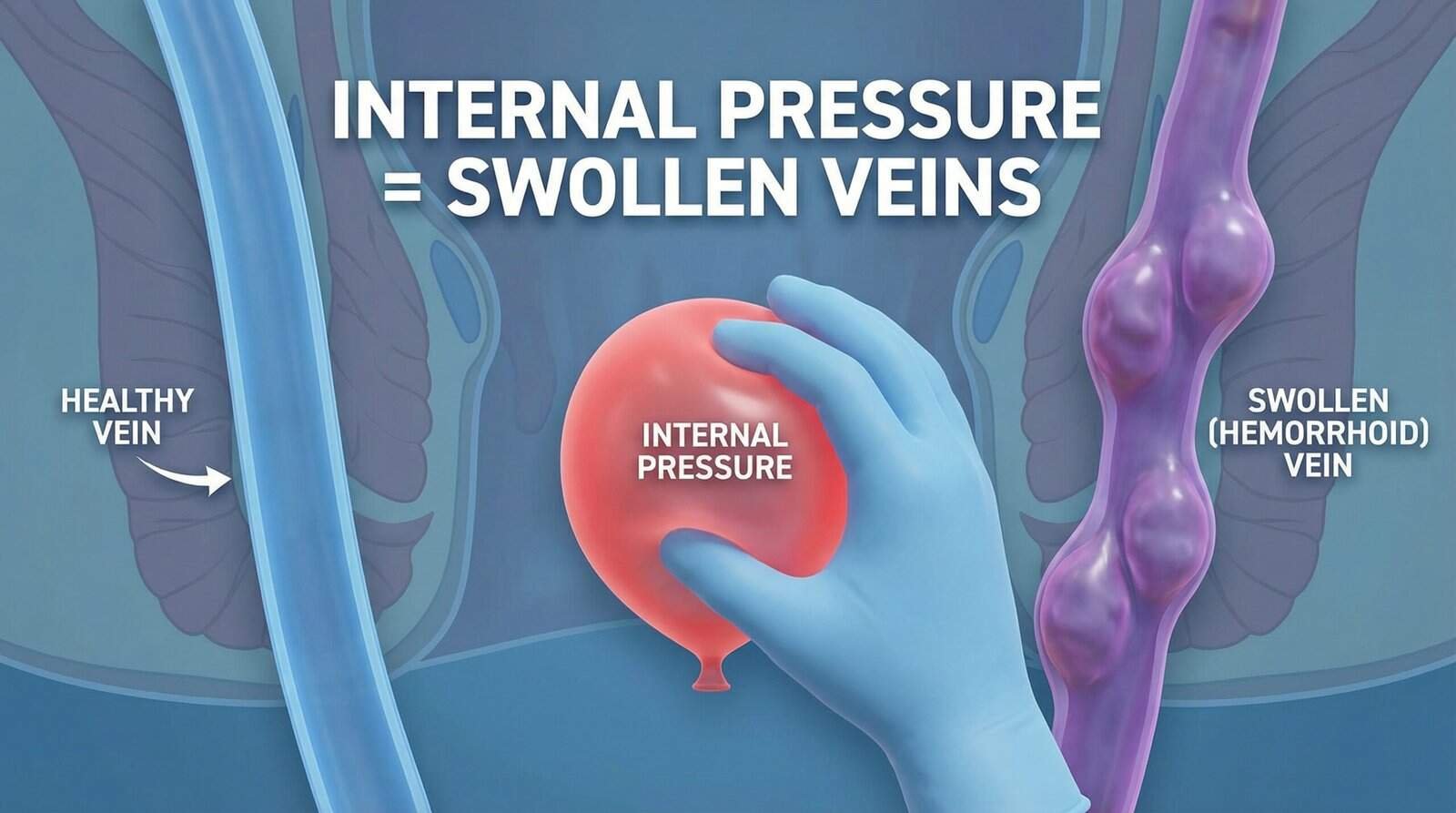
Imagine a balloon. If you keep squeezing that balloon, the rubber starts to stretch and bulge. That’s exactly what happens to these veins. When pressure keeps building up, the veins swell, the walls become thin, and eventually, they start to bleed or protrude.
The Ayurvedic View: It’s Not Just “Down There”
Now, Ayurveda looks at this a bit differently. We don’t just see a “butt problem.” We see a “digestion problem.”
In Ayurveda, piles are called Arsha. We believe the root cause is almost always a weak digestive fire (Mandagni).
Think about it. If your digestion is weak, your body doesn’t process food properly. This leads to Ama (toxins) and, more importantly, chronic constipation. When you are constipated, you strain. When you strain, you create that “balloon-squeezing” pressure we talked about.
So, while modern medicine might focus on the veins, Ayurveda focuses on the stomach. If we don’t fix the stomach, the veins will never stay healthy.
Why Piles Happen More in Females
I see a lot of women who develop piles during or after pregnancy.
It makes sense, doesn’t it? During pregnancy, the uterus is literally sitting on those veins, creating massive pressure. Add to that the hormonal changes that slow down the digestive system, and you have the perfect storm for piles. Then comes the pressure of delivery itself.
Many women think this is just their “new normal.” It’s not. It’s a temporary imbalance that can be corrected if we focus on restoring the pelvic floor and the digestive rhythm.
Why Piles Are Common in Males
In men, it’s usually the lifestyle.
I see it in desk workers who sit for 9 hours a day. I see it in long-distance drivers. I also see it in “gym rats” who lift heavy weights without proper breathing techniques, creating immense internal pressure. And let’s not forget the diet—too much spicy food, late-night meat-heavy meals, and not nearly enough water.
Same result: pressure on the veins. Different path to get there.
3. Is Piles a Dangerous Disease?
Let’s clear the air: Piles is usually not life-threatening. You aren’t going to wake up tomorrow in a fatal condition because of a Grade 1 hemorrhoid.
But—and this is a big “but”—calling it harmless is also a mistake.
The real danger of piles is what I call “the quiet drain.”
Take bleeding piles. Often, they don’t even hurt. You see a few drops of blood in the pan. You think, “Oh, it’s just a scratch,” and you move on. But that bleeding continues every day for six months. Eventually, you start feeling tired. Your hair starts falling out. Your breath gets short when you climb stairs.
You’ve become anemic. You’ve lost so much blood, drop by drop, that your body is struggling to function.
Then there’s the pain. Chronic pain does something to your mind. It makes you anxious about eating (because you’re afraid to go to the bathroom). It makes you irritable. It ruins your social life.
So, while piles might not be “dangerous” like a heart attack, it is “dangerous” to your quality of life. And if left totally untreated, internal piles can become “strangulated”—which means the blood supply gets cut off. That is a medical emergency.
Don’t wait for the emergency.
4. Types of Piles and Their Severity Grades
Not all piles are created equal. This is the most important part of this article because it tells you where you stand.
Internal Piles
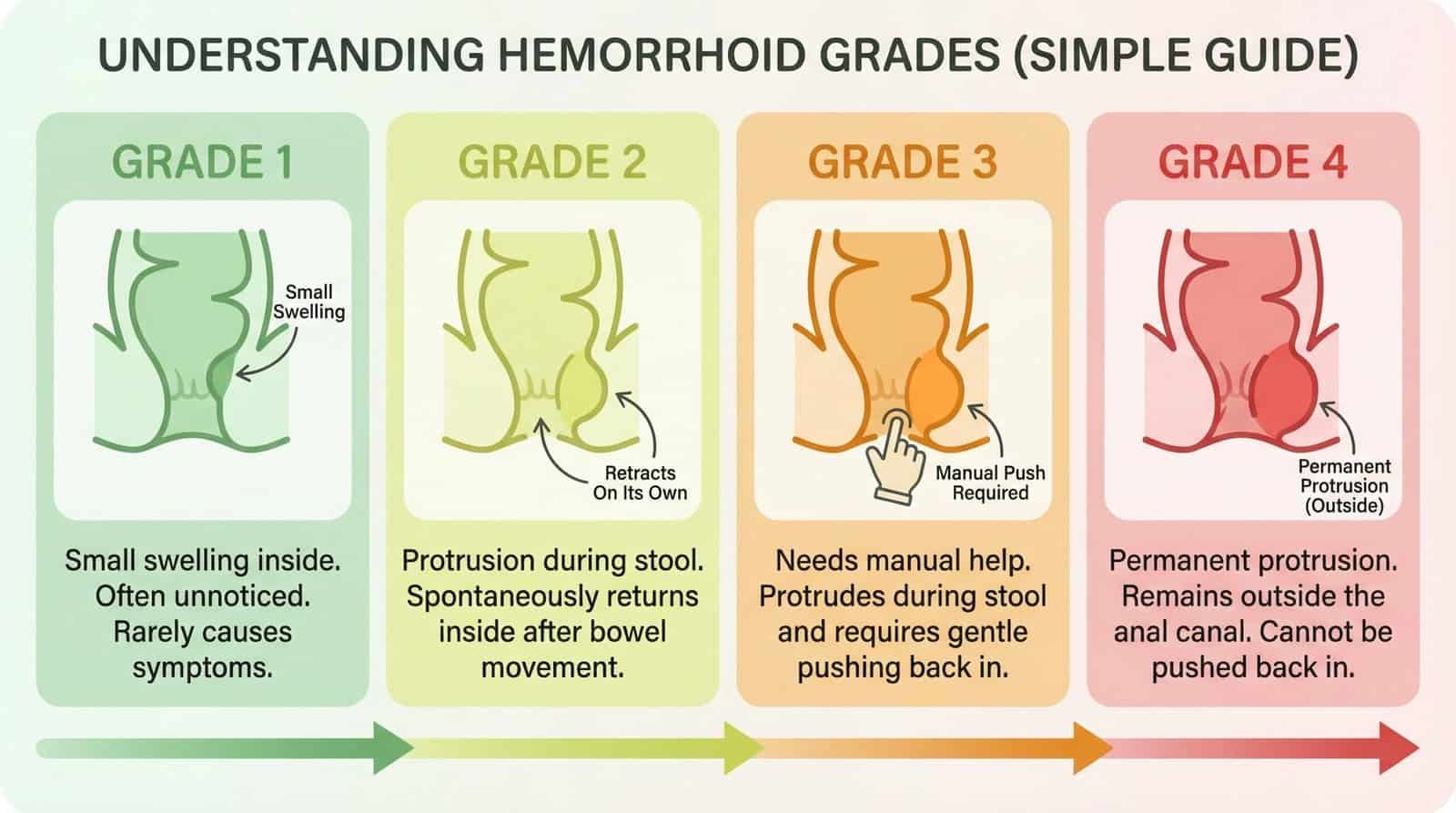
These are inside the rectum. You usually can’t see or feel them unless they bleed or pop out. We categorize them into four grades:
- Grade 1: You can’t see them. They might bleed occasionally, but they stay inside. (Very easy to cure without surgery)
- Grade 2: They come out when you pass stool but go back in by themselves. (Still very manageable without surgery)
- Grade 3: They come out and stay out until you manually push them back in with your finger. (The “maybe” zone—requires strict discipline to avoid surgery)
- Grade 4: They stay out all the time and cannot be pushed back. They are often very painful. (This is the stage where surgery becomes much more likely)
External Piles
These are under the skin around the anus. They feel like small, hard lumps. They don’t always bleed, but they can be incredibly painful if a blood clot forms inside them (this is called a thrombosed hemorrhoid).
Mixed Piles
A combination of both. You have the internal swelling and the external lumps.
The takeaway? If you are at Grade 1, 2, or even early Grade 3, you have a massive window of opportunity to fix this naturally.
5. Can Piles Be Cured Without Surgery?
I’ll say it again: Yes.
But I have to be honest with you. “Cured” doesn’t mean you take one pill and go back to eating junk food and sitting for 10 hours straight.
A non-surgical cure is a process. It involves three things:
- Softening the stool: So there is zero straining.
- Shrinking the veins: Using natural anti-inflammatories.
- Strengthening the digestive system: So the problem doesn’t come back.
If you are looking for a “quick fix” that lets you keep your bad habits, then surgery is your only option. But if you are willing to make changes, the body has an incredible ability to heal those veins.
Early intervention is the key. If you catch it at Grade 1, we can usually stop the bleeding in days and shrink the swelling in weeks.
6. Can Piles Be Cured Permanently Without Surgery?
This is what everyone wants to know. “Will it come back?”
The reason piles recur—even after surgery—is that the reason for the piles was never fixed.
Imagine you have a leak in your roof. You put a bucket under it. Surgery is like emptying the bucket. It helps for a moment, but the hole in the roof is still there.
Ayurveda aims to patch the roof.
When we fix your digestion, when we ensure your bowel movements are regular and soft, and when we tone the muscles of the rectal area, the “pressure” disappears. If the pressure stays away, the piles stay away.
So yes, it can be permanent. But the “permanence” is in your hands. It depends on your lifestyle. If you go back to a low-fiber diet and a sedentary life, any treatment—surgical or natural—will eventually fail.
7. How Ayurveda Treats Piles Without Surgery
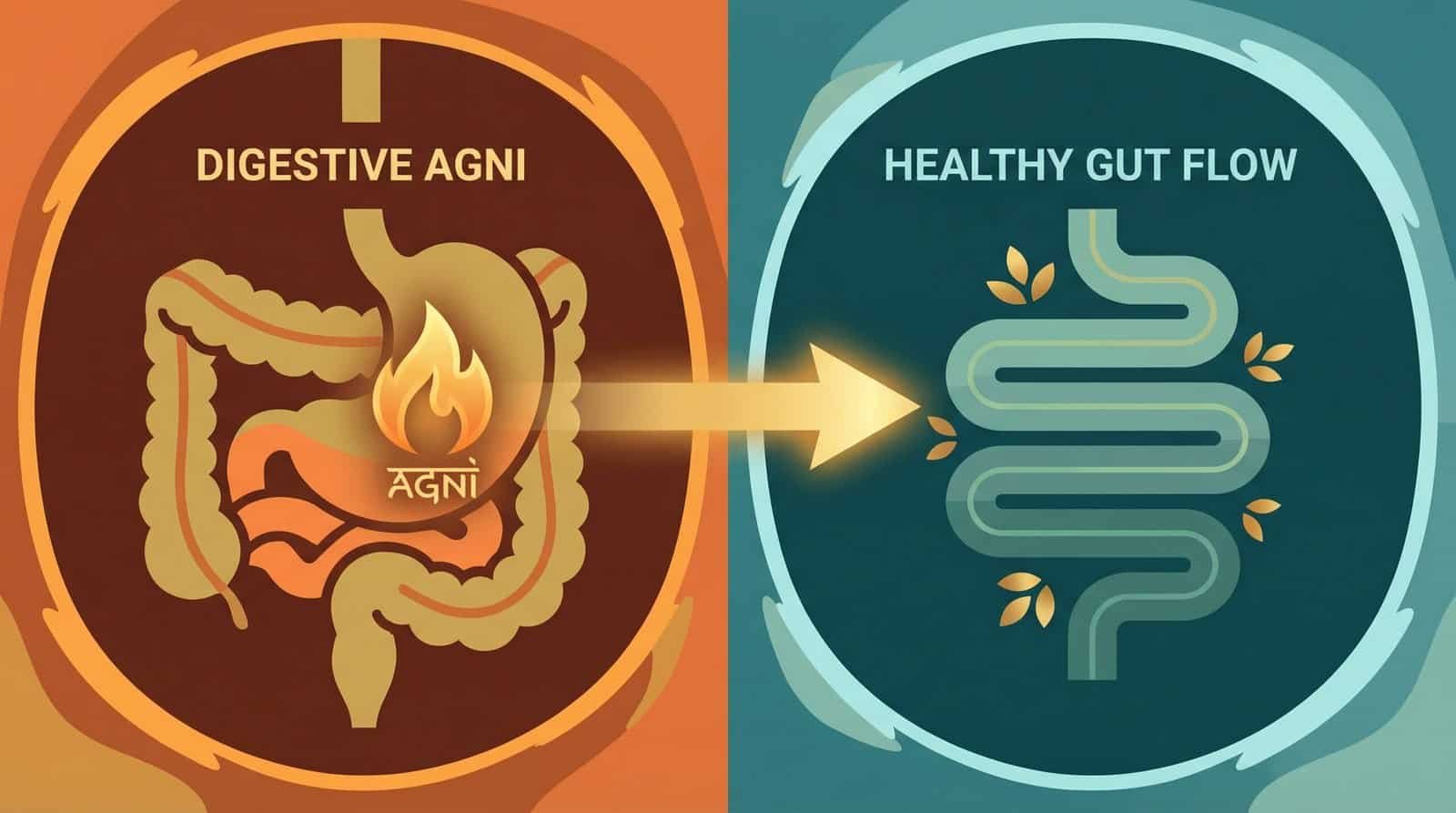
In my practice, we follow a very specific logic. We don’t just attack the piles; we support the whole system.
Step 1: Ignite the Fire (Agni)
We use herbs like Chitrak or Trikatu to improve digestion. We want your stomach to process food so well that there is no “waste” left behind to rot and cause gas or constipation.
Step 2: Regulate the Downward Flow (Apana Vata)
Ayurveda believes there is an energy in the body called Apana Vata that controls elimination. When this is blocked, you strain. We use herbs like Haritaki (one of the three fruits in Triphala) to gently regulate this flow. It’s not a harsh laxative; it’s a bowel tonic.
Step 3: Calm the Inflammation
We use cooling herbs and local applications. Have you heard of Jatyadi Tailam? It’s a traditional Ayurvedic oil. It’s like magic for healing wounds and reducing the burning sensation.
Step 4: Shrink the Mass
Specific formulations like Arshoghna Vati or Kanchanar Guggulu help in reducing the size of the swollen veins. They act as natural astringents, tightening the tissue.
It’s a gradual process. First, the bleeding stops. Then the pain settles. Finally, the mass starts to shrink.
8. Can External Piles Be Cured Naturally?
External piles are tricky because they are so sensitive. Since they are covered in skin that has lots of nerves, the pain can be sharp.
The good news? Because they are external, they respond very well to local treatments.
- Warm Sitz Baths: This is non-negotiable. Sitting in warm water for 10 minutes relaxes the sphincter muscle and reduces the swelling.
- Ayurvedic Pastes: We often use a paste of Lajjaloo (Touch-me-not plant) or Aloe Vera to soothe the area.
However, if an external pile has developed a large, hard blood clot (thrombosis), it might take a long time to resolve naturally. In those specific cases, a tiny procedure to drain the clot might be needed—but that’s still not a “full surgery.”
9. Best Medicine for Piles: An Ayurvedic Doctor’s View
People often message me: “Dr. Saleem, just tell me the name of the one best medicine.”
I wish it were that simple.
If you have bleeding, your medicine will be different from someone who has a dry, painful lump. If you are 20 years old and fit, your treatment will be different from someone who is 70 and has heart issues.
However, there are “Superstars” in the Ayurvedic world for piles:
- Triphala: The gold standard for keeping the colon clean.
- Abhayarishta: A fermented liquid that is excellent for softening stools.
- Suran (Elephant Foot Yam): This vegetable is so good for piles that it’s actually used to make medicines. It’s a natural “vein toner.”
Consistency is what makes these medicines “the best.” Natural medicine takes time to build up in your system. Skipping doses is the fastest way to fail.
10. Diet and Lifestyle Changes to Cure Piles Naturally
If you don’t change your diet, you are wasting your money on medicine. It’s that simple.
What to Eat
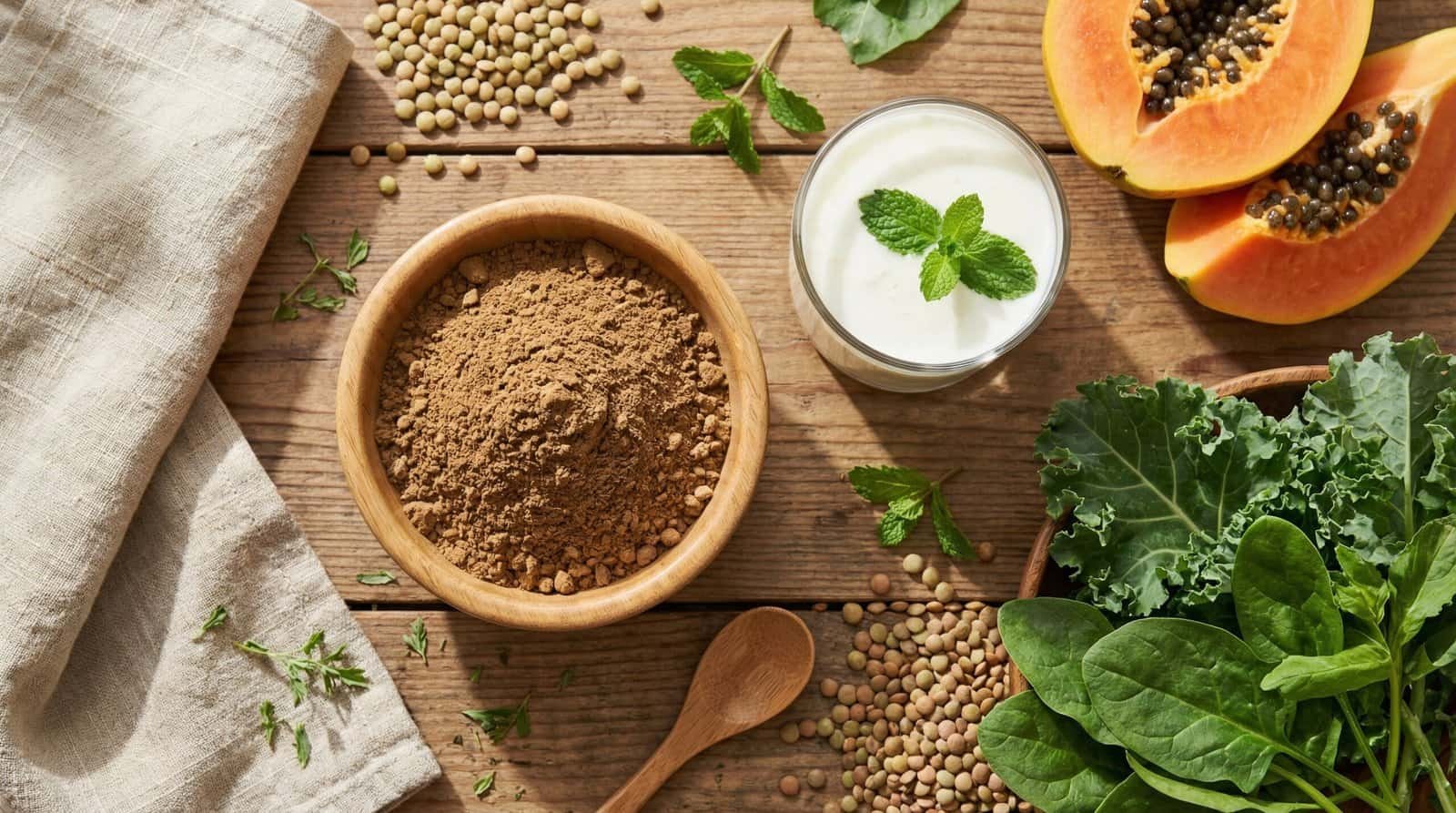
- Fiber, Fiber, Fiber: Not just supplements, but real food. Whole grains, leafy greens, and lentils.
- Hydration: Fiber without water is like cement in your gut. You need water to move that fiber through.
- Buttermilk (Takra): In Ayurveda, buttermilk is considered “the nectar” for piles patients. It’s easy to digest and full of probiotics.
What to Avoid
- The “Red” Foods: Red chili, red meat, and processed foods. These increase heat in the body and irritate the anal canal.
- Alcohol and Caffeine: These dehydrate you, leading to hard stools.
The “Toilet Habit”
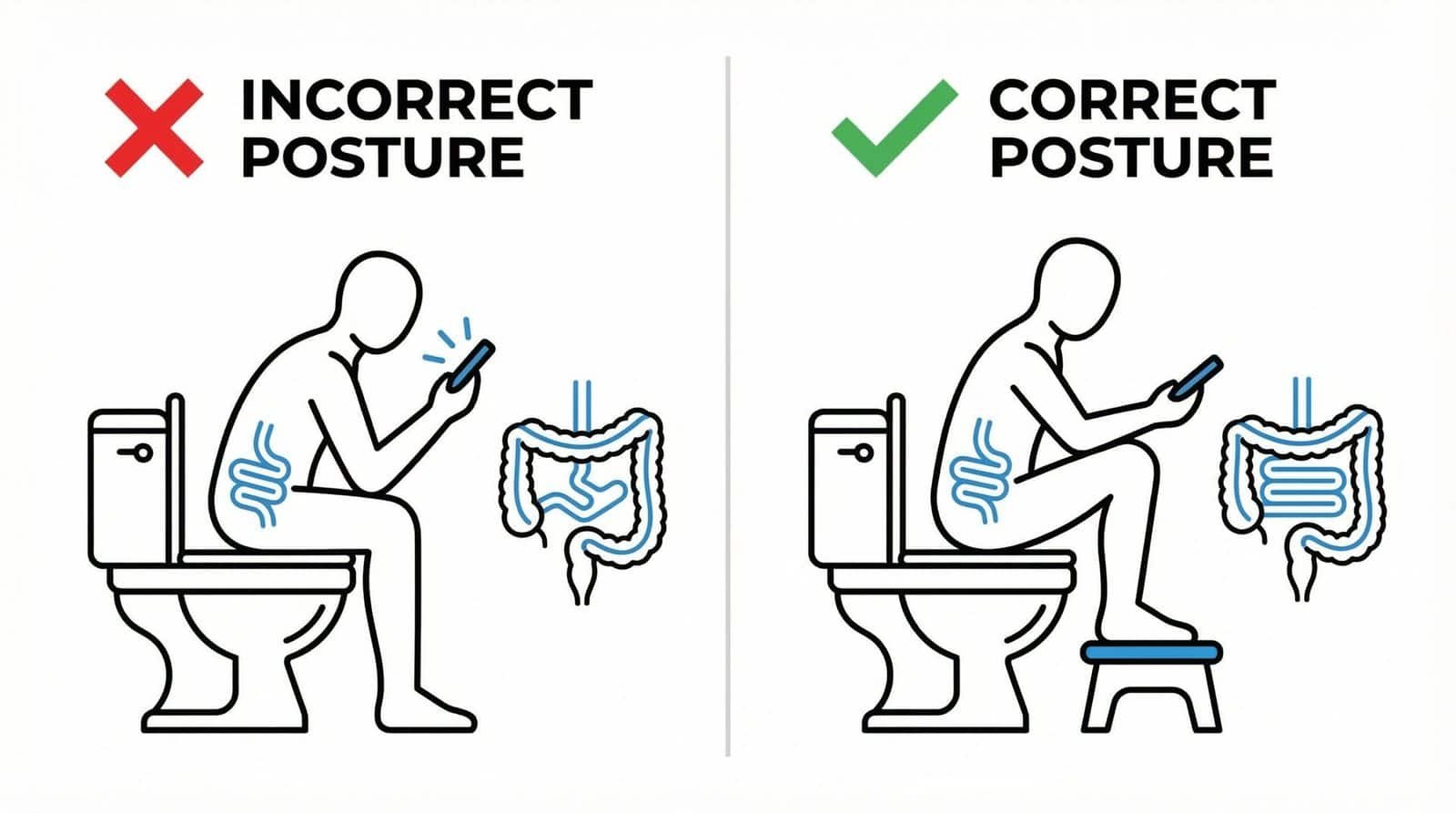
Stop taking your phone into the bathroom. When you sit and scroll, you are unconsciously straining for 15-20 minutes. Your bathroom time should be 3 to 5 minutes. If it’s not happening, get up and try later. Don’t force it. Also, consider a “squatty potty” or a small stool to lift your feet—it aligns the rectum for a much easier exit.
11. When Should You Consider Surgery for Piles?
I am an Ayurvedic doctor, but I am also a realist. There are times when surgery is the right choice.
You should consider it if:
- You have Grade 4 piles that are causing constant pain and can’t be pushed back.
- The bleeding is severe and causing your hemoglobin to drop to dangerous levels despite treatment.
- There is a complication like an abscess (pus) or a fistula.
- Non-surgical methods have failed after a genuine, consistent 3-month effort.
Even if you need surgery, I recommend Kshara Sutra. It’s an Ayurvedic para-surgical technique that uses a medicated thread. It’s much less invasive than traditional surgery and has a much lower recurrence rate.
12. When Should You Consult an Ayurvedic Doctor?
Don’t wait until you’re in agony. You should book a consultation if:
- You see blood in your stool for more than two days.
- You feel a lump that doesn’t go away after a bowel movement.
- You find yourself relying on laxatives every single night.
- The pain is making you dread going to the bathroom.
Early treatment is the difference between a 2-week recovery and a 2-year struggle.
13. Expert Opinion: Dr. Saleem Zaidi
In my years of practice, I’ve seen thousands of cases. The one thing that stands out is this: Piles is a lifestyle disease.
The patients who get the best results are not the ones who find the most expensive medicine. They are the ones who realize that their body is sending them a message. The piles are just a symptom. The real issue is the way they eat, the way they sit, and the way they manage stress.
My advice? Take a deep breath. Surgery is not inevitable. But change is necessary. If you are willing to heal your gut, your body will take care of the rest.
Final Thought
You don’t have to suffer in silence, and you don’t have to jump straight into surgery. Start today. Drink that extra glass of water. Eat that bowl of papaya. And most importantly, stop worrying. Stress only makes your digestion worse. Healing is possible. One step at a time.
Yes, provided you address the digestive root cause. If you fix your constipation and maintain a healthy diet, the chances of it returning are very low.
It can lead to severe anemia from blood loss or “strangulation” of the pile mass, which is very painful and requires urgent care. It’s better to treat it early.
Small ones can “shrivel up” if you stop the straining and keep the area clean. Larger ones usually need herbal help to reduce inflammation.
Ayurvedic management is generally considered the safest because it uses natural herbs and focuses on long-term digestive health rather than just cutting away tissue.
You should see improvement in symptoms (like bleeding and pain) within 7 to 10 days. However, to “shrink” the mass and fix digestion, a course of 2 to 3 months is usually required.
Yes. In fact, recurrence after surgery is quite common if the patient remains constipated or continues with the same lifestyle that caused the piles in the first place.